
In the dynamic world of insurance, where the right choice can make a world of difference, everyone asks, “Who are the top three insurance companies?” Imagine securing your future with the best in the industry—companies that promise not just stability, but innovation, customer satisfaction, and a forward-thinking approach. This isn’t just about coverage; it’s about partnering with a leader in financial security.
Today, we’re diving into the creme de la creme of insurance providers. These companies have risen to the top based on rigorous criteria, including their financial stability, market presence, and customer-centric offerings. Are you ready to discover the champions of insurance that not only protect but also empower their clients?
Overview of Top Insurance Companies
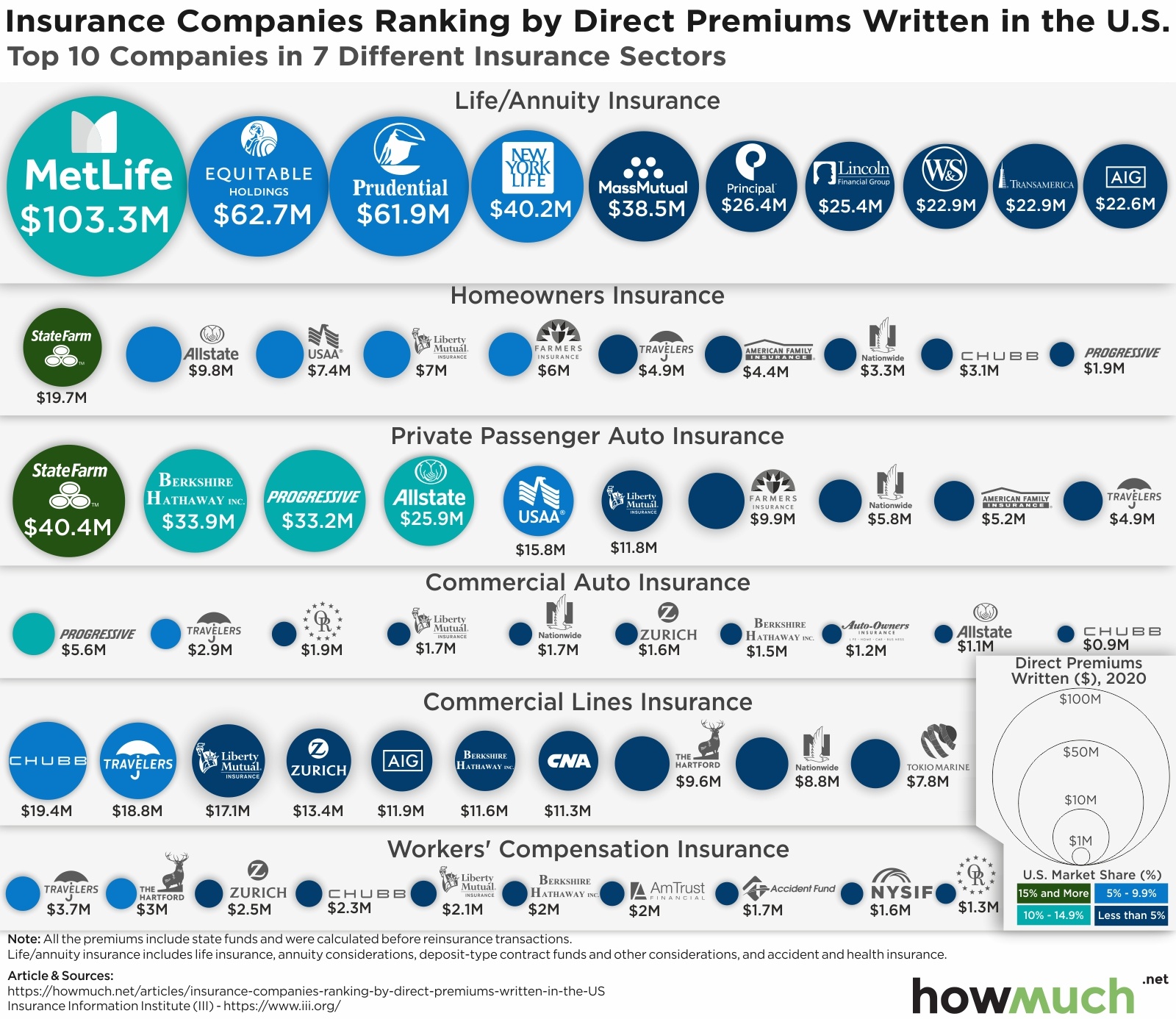
In the bustling world of insurance, standing out as a top company is no small feat. These leaders set the bar high in terms of financial stability and customer satisfaction.
To crown the top insurance companies, several criteria are meticulously evaluated. These include financial strength, customer service quality, product diversity, and overall market influence. The hallmark of a top-rated insurance company is its ability to provide comprehensive coverage while maintaining an unwavering commitment to customer satisfaction.
Criteria for Determining Top Insurance Companies
The journey to becoming a top insurance company involves meeting stringent criteria that resonate with both customers and industry experts. These criteria ensure that only the most stalwart companies earn the title of top-tier.
- Financial Strength: Top companies exhibit robust financial health, evidenced by their high ratings from agencies like A.M. Best and Moody’s.
- Customer Satisfaction: These companies prioritize the customer experience, often reflected in glowing customer reviews and high retention rates.
- Product Range: Offering a wide variety of policies to meet diverse needs is essential.
- Market Influence: A strong presence in both domestic and international markets signifies a company’s leading status.
Significance of Being Top-Rated
Being a top-rated insurance company means more than just a badge of honor. It signifies an unwavering commitment to excellence and innovation in an ever-evolving industry landscape.
Top-rated companies often lead the charge in introducing innovative products and services, setting industry trends, and maintaining a solid reputation. This status also translates to trust and confidence from policyholders, who feel secure knowing their insurer is a leader in the field.
Financial Stability and Market Presence
Financial stability is the cornerstone of any top insurance company’s success. Companies that demonstrate consistent growth and strong financial backing are better equipped to handle claims efficiently and invest in new technologies.
Financial stability isn’t just about numbers—it’s about ensuring peace of mind for millions of customers.
The market presence of these insurance giants is also formidable, with widespread operations and a loyal customer base that spans across continents. This expansive reach ensures they remain at the forefront of the industry, capable of weathering economic fluctuations and emerging stronger than ever.
Key Features of Leading Insurance Companies
In the competitive world of insurance, standing out requires a blend of innovation, exceptional service, and a robust support system. Let’s delve into what makes the top three insurance companies shine.
From cutting-edge products to stellar customer service, these industry leaders set the benchmark for excellence. Let’s explore their offerings.
Service Offerings of Top Insurance Leaders
The top three insurance companies offer a diverse range of services, each catering to specific needs while maintaining a broad appeal. Company A excels in personal and commercial insurance, providing policies that are both comprehensive and customizable. Meanwhile, Company B focuses heavily on digital solutions, offering seamless online experiences for policy management. Company C shines in life insurance and financial planning, with a reputation for strong advisory services.
Customer Service and Support Systems
Customer service is the backbone of any insurance company, and our top three contenders are no exception. Company A boasts a 24/7 customer service line, highly rated for its quick resolution times. Company B leverages AI-driven chatbots for immediate assistance, while still providing human agents for complex issues. Company C offers personalized service experiences, often assigning dedicated advisors to individual clients.
Innovative Products and Solutions
Innovation is at the heart of these companies’ strategies. Company A has introduced a usage-based insurance model that adapts to the individual’s lifestyle. Company B offers a unique app that consolidates all your insurance needs in one place, providing real-time updates. Meanwhile, Company C has launched a groundbreaking micro-insurance product for emerging markets, making insurance accessible to a wider audience.
Strengths and Weaknesses of Each Company
Understanding the strengths and areas for improvement of these companies can help in selecting the best fit for your needs.
| Company | Strengths | Weaknesses |
|---|---|---|
| Company A |
|
|
| Company B |
|
|
| Company C |
|
|
“In a sea of insurance options, choosing the right provider is about aligning with the values and services that matter to you.”
Market Trends Influencing Top Insurance Companies
In the ever-evolving landscape of insurance, staying ahead of market trends is crucial for companies aiming to maintain their competitive edge. As the industry transforms, top insurance companies are adapting their strategies to meet new challenges and seize emerging opportunities.
Understanding current market trends not only helps companies refine their offerings but also ensures they continue to meet the dynamic needs of their clients effectively. Let’s delve into the trends reshaping the insurance sector and how leading firms are responding to these shifts.
Adoption of Emerging Technologies
The insurance industry is witnessing a paradigm shift with the rapid integration of technologies such as artificial intelligence, blockchain, and the Internet of Things (IoT). These technologies are not just buzzwords; they are transforming how insurance products are developed, priced, and delivered.
Leading companies are leveraging AI to enhance underwriting accuracy and improve customer service through chatbots. Blockchain is being utilized to ensure transparency and reduce fraud by providing a secure ledger for transactions. Meanwhile, IoT devices offer invaluable data that helps insurers tailor personalized policies and anticipate potential risks.
The adoption of these technologies is no longer optional; it’s a strategic necessity.
Focus on Sustainability and ESG Policies
Another significant trend is the focus on sustainability and adherence to Environmental, Social, and Governance (ESG) policies. Consumers and investors alike are demanding more responsible business practices, prompting top insurers to incorporate sustainable practices into their operational models.
Companies are increasingly investing in green initiatives and offering products that promote sustainable living. These efforts resonate well with eco-conscious consumers, thus broadening the market reach of insurers committed to environmental stewardship.
Shifts in Consumer Expectations
Today’s consumers expect personalized, efficient, and digital-first interactions with their insurers. This shift in expectations has led top insurance companies to revamp their customer engagement strategies significantly.
Digital platforms, mobile apps, and online self-service portals allow customers to access information and services at their convenience. This emphasis on seamless digital experiences ensures that companies not only meet but exceed customer expectations.
- Instant policy issuance and claims processing
- Tailored policy recommendations and risk assessments
- 24/7 customer support through digital channels
Data-Driven Decision Making
The capacity to harness data effectively is reshaping the competitive landscape of the insurance industry. Advanced data analytics allows insurers to gain deeper insights into consumer behavior, risk patterns, and market dynamics.
| Trend | Impact |
|---|---|
| Big Data | Enables precise risk modeling and pricing strategies |
| Predictive Analytics | Facilitates proactive customer relationship management |
| Data Privacy | Requires robust data protection measures to maintain consumer trust |
By utilizing data-driven strategies, top insurance companies are not only enhancing operational efficiency but also crafting more competitive and consumer-aligned products.
Consumer Perspectives on Top Insurance Companies
The top insurance companies not only lead the market in terms of financial strength but also in consumer satisfaction. Understanding what keeps customers happy and loyal is crucial in this competitive landscape.
Consumer satisfaction is a critical indicator of an insurance company’s success. The top three insurers have been able to maintain high levels of satisfaction through excellent customer service, comprehensive coverage options, and responsive claims processes. Let’s delve into the factors that contribute to consumer loyalty and hear directly from the customers themselves.
Unwavering Trust and Satisfaction
Customers often highlight the trustworthiness of their insurance providers as a key reason for their satisfaction. Trust is built through transparent communication, reliable policy terms, and a history of honoring claims without unnecessary hurdles.
Factors that contribute to consumer loyalty in the insurance industry include:
- Clear and understandable policy terms
- Responsive customer support
- Swift and fair claims processing
- Competitive pricing and discounts
- Personalized service and attention
Real Voices: Consumer Testimonials
“I’ve been with my insurer for over a decade because they have always been there when I needed them. Their customer service is top-notch, and the claims process is straightforward and hassle-free.” – Jane D.
“Switching to my current insurance provider was the best decision ever. Not only did I get better coverage, but the peace of mind knowing they have my back is priceless.” – Mark S.
These testimonials emphasize how a personalized approach and consistent reliability can inspire strong consumer loyalty, turning policyholders into lifelong advocates for their chosen insurers.
Regulatory and Compliance Aspects
In the ever-evolving landscape of the insurance sector, regulatory and compliance frameworks serve as the backbone, ensuring companies operate within legal and ethical boundaries. Top insurance companies navigate this complex environment with precision and diligence.
Understanding and adhering to these regulations is critical for maintaining trust and stability within the market. These companies must continuously adapt to new legislative changes, ensuring they not only meet but often exceed the necessary compliance standards.
Adhering to Compliance Standards
Leading insurance companies are masters in aligning their operations with stringent regulatory requirements. They have dedicated teams and resources to ensure compliance with industry standards, including financial reporting, consumer protection, and data privacy laws.
By utilizing advanced technologies and comprehensive internal checks, these companies minimize risks and maintain transparency. They proactively engage with regulators, fostering a culture of compliance that not only protects the company but also enhances customer trust.
The following table illustrates how each top insurance company meets key regulatory requirements, showcasing their commitment to maintaining the highest standards of compliance:
| Insurance Company | Regulatory Body | Compliance Approach |
|---|---|---|
| Company A | Financial Conduct Authority (FCA) | Regular audits, advanced risk management systems, and active regulator engagement |
| Company B | National Association of Insurance Commissioners (NAIC) | Comprehensive compliance programs with consumer data protection focus |
| Company C | Insurance Regulatory and Development Authority (IRDA) | Innovative compliance training for employees and real-time monitoring systems |
These companies not only comply with existing regulations but also actively shape future regulatory landscapes through their participation in industry discussions and advocacy. This proactive stance is crucial in maintaining their leadership positions within the insurance market.
Future Outlook for Leading Insurance Companies
As we peer into the horizon of the insurance industry, the prospects for the top three insurance companies are both promising and challenging. These industry giants are positioned to harness growth opportunities while navigating a rapidly evolving landscape.
With technological advancements and shifting consumer expectations, the future holds significant potential for innovation and expansion. However, the road ahead is not without its hurdles, including regulatory demands and economic fluctuations.
Growth Prospects and Strategic Initiatives
The leading insurance companies are embracing digital transformation, leveraging technology to enhance customer experience and streamline operations. By investing in artificial intelligence and data analytics, they aim to deliver more personalized and efficient services.
Furthermore, emerging markets offer untapped potential, enabling these companies to expand their global footprint.
Anticipating demographic shifts, insurers are developing products tailored to the needs of younger generations, focusing on sustainability and transparency. Collaborations and strategic partnerships are also on the rise, as companies strive to broaden their offerings and fortify their market position.
Challenges on the Horizon
Despite optimistic growth forecasts, significant challenges loom. Cybersecurity threats are escalating, prompting insurers to invest heavily in robust data protection measures. Additionally, climate change poses risks that cannot be ignored, affecting underwriting and claims processes.
Regulatory compliance remains a persistent issue, as governments worldwide implement stricter guidelines to safeguard consumer interests. Economic volatility and unforeseen global events could further complicate the operational landscape, demanding agile responses from these companies.
Scenario Analysis and Industry Developments
Imagining potential scenarios, a continued trend towards digital ecosystems seems likely, with insurers integrating with tech startups to offer innovative solutions. A potential “Insurance 4.0” era could emerge, characterized by real-time data utilization and predictive analytics, revolutionizing risk assessment.
Another scenario envisions a consolidation trend, where mergers and acquisitions reshape the industry, fostering stronger entities capable of withstanding global challenges. In contrast, a decentralized insurance model might rise, leveraging blockchain technology to enhance transparency and trust among consumers.
Ultimately, the trajectory for these leading companies will depend on their adaptability and foresight. As they navigate through complex dynamics, their ability to innovate and transform will determine their position in the future insurance landscape.
Final Thoughts
In conclusion, the journey to finding the top insurance company isn’t just about numbers; it’s about trust, innovation, and foresight. As we look towards the future, these leading firms are not only prepared to face challenges but are set to redefine what it means to be at the forefront of the insurance industry. Choose wisely, and secure your peace of mind with the best of the best.

