
Dive into the fascinating world of Arizona insurance law, where the rules and regulations not only safeguard but empower residents and businesses alike. Imagine a framework that ensures peace of mind, protecting your hard-earned assets and health with the utmost diligence. This guide takes you through the pivotal aspects of Arizona’s insurance landscape, unraveling its historical roots and modern-day significance.
From auto to health, and home insurance, each type is meticulously crafted to meet the unique demands of Arizonians. As you embark on this enlightening journey, you’ll discover how these laws shape daily life and influence the broader business environment. Ready to uncover the secrets of Arizona insurance law and how it champions your rights? Let’s get started!
Overview of Arizona Insurance Law
Diving into the realms of Arizona insurance law is like embarking on a journey through a landscape that shapes the lives of its residents and businesses. Understanding this legal framework is crucial for safeguarding your assets and ensuring peace of mind.
Arizona insurance law is a robust system designed to regulate and oversee the insurance industry within the state. With roots deeply embedded in historical legislative movements, it serves as a protective shield for consumers and a guiding framework for insurers. The law encompasses a wide array of regulations that ensure transparency, accountability, and fairness in all insurance dealings.
Historical Evolution and Significance
The evolution of insurance law in Arizona traces back to the early 1900s when the state first began formalizing regulations to protect its burgeoning population. Over the decades, these laws have transformed, adapting to the dynamic needs of both consumers and the industry. This evolution is significant as it reflects Arizona’s commitment to nurturing a fair insurance market that benefits all stakeholders.
The significance of these laws extends beyond mere regulation; they are the backbone of consumer protection and market stability. By instilling confidence in the system, Arizona insurance law helps foster a thriving economic environment.
Objectives of Insurance Regulation
At the heart of Arizona insurance law lie clear and purposeful objectives aimed at ensuring the welfare of its citizens. These objectives are crafted to maintain a delicate balance between consumer protection and industry growth.
- Ensure consumer protection by establishing minimum standards for policies.
- Promote market fairness and prevent fraudulent practices.
- Facilitate industry innovation while maintaining robust oversight.
- Encourage transparency through clear and detailed disclosure requirements.
Impact on Residents and Businesses
Arizona insurance law exerts a profound impact on the daily lives of its residents and the operations of businesses. By mandating comprehensive coverage and ethical practices, the law ensures that individuals and companies can confidently navigate potential risks.
“Insurance is not just a policy; it’s a promise of protection.”
For residents, this means having access to fair and equitable coverage options, while businesses benefit from a stable and predictable regulatory environment that supports growth and innovation.
Types of Insurance Regulated in Arizona
In the sun-drenched state of Arizona, insurance is not just a formality but a complex tapestry woven into the lives of its residents. From the bustling streets of Phoenix to the serene desert landscapes, insurance plays a pivotal role in safeguarding assets and health.
Understanding the specific types of insurance regulated under Arizona law is crucial for residents to ensure they are adequately covered. This includes a thorough grasp of the legal requirements and regulations governing auto, health, and home insurance.
Auto Insurance Regulations
Arizona law mandates that all drivers maintain a minimum level of auto insurance. This includes liability coverage to cover bodily injury and property damage to others if the policyholder is at fault in an accident. The state requires minimum coverage amounts of $25,000 per person and $50,000 per accident for bodily injury, as well as $15,000 for property damage. Additionally, Arizona offers options for uninsured and underinsured motorist coverage, although these are not mandatory.
Health Insurance Standards
Health insurance in Arizona is guided by both federal standards and state-specific regulations. The state ensures compliance with the Affordable Care Act (ACA) while also providing additional protections. Arizona mandates that insurers cover essential health benefits and prohibits discrimination based on pre-existing conditions. Beyond the ACA, the state has implemented measures to expand access through Medicaid and other state-sponsored programs, ensuring that a broader spectrum of residents can obtain necessary health services.
Home Insurance Requirements
While not legally required by the state, home insurance is often a necessity for securing a mortgage in Arizona. Homeowners are encouraged to invest in policies that cover fire, theft, and natural disasters. Given Arizona’s susceptibility to wildfires, many policies include specific clauses for fire-related incidents. Moreover, with the increasing frequency of extreme weather conditions, residents might consider additional flood or earthquake insurance, despite these not being mandated by state law.
To better understand these distinctions, consider the following comparison:
| Insurance Type | Mandatory Coverage | Optional Add-ons | Unique Arizona Regulations |
|---|---|---|---|
| Auto Insurance | $25,000 bodily injury per person, $50,000 per accident, $15,000 property damage | Uninsured/Underinsured Motorist Coverage |
|
| Health Insurance | Compliance with ACA | Expanded Medicaid options |
|
| Home Insurance | Not legally required | Flood, Earthquake Insurance |
|
Insurance Policyholder Rights and Protections
In the vibrant landscape of Arizona’s insurance framework, policyholders are not alone. The state has set robust guidelines to ensure that individuals are treated fairly and with respect. Understanding these rights can empower you to navigate any challenges with confidence.
Arizona law provides a safety net of rights and protections for insurance policyholders, ensuring transparency and fairness in the insurance market. These measures are designed to protect consumers from unscrupulous practices and provide a clear path for resolving disputes.
Rights Afforded to Policyholders Under Arizona Law
As a policyholder in Arizona, you are entitled to a variety of rights that are legally protected. These include the right to receive timely and transparent information about your insurance policy, the right to a fair evaluation of your claims, and the right to appeal decisions made by your insurer. Knowledge is power, and being informed of these rights can significantly affect the quality of your insurance experience.
- The right to receive a clear and concise policy document.
- The right to be informed of any changes in your policy.
- The right to privacy concerning personal information shared with insurers.
Protections Against Unfair Insurance Practices
Arizona takes a firm stand against unfair insurance practices through rigorous regulations and oversight. These protections are in place to prevent fraud, misrepresentation, and other unethical conduct by insurers. The state ensures that insurance companies operate with integrity, providing assurance to policyholders that they are in trustworthy hands.
“Insurers are prohibited from engaging in practices that are misleading, deceptive, or unjust to policyholders.”
Under these protections, policyholders can rest assured that they have the right to be treated fairly and that any instances of malpractice will be addressed promptly and effectively.
Processes for Filing a Complaint or Dispute Resolution
When conflicts arise, knowing the right steps to take can make all the difference. Arizona offers a well-defined process for filing complaints and resolving disputes, ensuring that policyholders have access to a fair hearing. It’s essential to follow these steps to ensure your voice is heard.
- Contact your insurance company to discuss your concerns.
- File a complaint with the Arizona Department of Insurance if necessary.
- Seek mediation or arbitration to resolve the issue amicably.
These processes are designed to be straightforward, ensuring that policyholders can effectively seek resolutions without undue stress.
Guide for Understanding Your Insurance Rights
Empowerment begins with understanding. By familiarizing yourself with your rights under Arizona insurance law, you can navigate the insurance landscape with confidence. Here’s a quick guide to help you grasp your entitlements:
| Right | Description |
|---|---|
| Right to Information | Access to clear details about policy terms and changes. |
| Right to Appeal | The ability to contest claim denials or policy decisions. |
| Right to Fair Treatment | Protection against discriminatory or biased practices. |
Understanding these rights not only safeguards your interests but also enhances your ability to make informed decisions about your insurance needs.
Role of the Arizona Department of Insurance
In the vast landscape of Arizona’s insurance regulations, one pivotal entity stands as the guardian of consumers’ interests and the enforcer of laws: the Arizona Department of Insurance. This department not only administers, but also ensures the integrity and fairness of the insurance marketplace.
From safeguarding the rights of policyholders to enforcing industry standards, the Arizona Department of Insurance is a key player in maintaining transparency and trust in the insurance sector.
Functions and Responsibilities of the Department
The Arizona Department of Insurance serves as the regulatory authority for the insurance industry within the state. Its core functions include overseeing the licensing of insurance entities, ensuring compliance with state regulations, and protecting consumer rights.
- Licensing insurance companies and professionals.
- Monitoring the financial solvency of insurers.
- Investigating consumer complaints and resolving disputes.
- Providing educational resources and guidance for consumers.
Enforcement of Insurance Laws
Enforcing insurance laws is a crucial duty of the department, aiming to uphold ethical practices and protect consumers from fraudulent activities. The department actively pursues and penalizes non-compliance through various methods.
- Conducting audits and investigations.
- Imposing fines and sanctions on violators.
- Revoking licenses of non-compliant entities.
- Implementing corrective actions and monitoring improvements.
Consumer Resources
The Arizona Department of Insurance offers a wealth of resources to assist consumers in navigating the complex world of insurance. Through these tools, individuals can make informed decisions and seek assistance when needed.
- Complaint Resolution: A structured process for filing complaints against insurers.
- Educational Materials: Publications and workshops to enhance insurance literacy.
- Online Tools: Digital services for comparing insurance products and rates.
Illustration of Department Processes
Understanding the department’s processes can demystify its operations and enhance consumer engagement. Below is a simple flowchart illustrating these processes.
[Flowchart Placeholder: Illustration showing the sequential steps from licensing, monitoring, enforcement, to consumer assistance.]
Recent Changes and Updates in Arizona Insurance Law
In the ever-evolving landscape of insurance regulations, Arizona has recently implemented significant legislative changes aimed at enhancing consumer protection and ensuring fair practices within the industry. These updates mark a pivotal shift in the way insurance is regulated across the state.
The changes reflect a commitment to adapting to modern challenges, driven by technological advancements and evolving consumer needs. Understanding these updates can equip both consumers and providers with the necessary tools to navigate the new regulatory environment effectively.
Legislative Changes Impacting the Insurance Sector
Recent legislative modifications have introduced new compliance requirements and revised existing statutes to better serve the interests of policyholders. These changes include stricter criteria for policy transparency and accountability from insurance providers.
One major update is the mandate for more detailed disclosures in insurance contracts, ensuring that consumers are fully informed of their rights and obligations. This move aims to reduce ambiguities and disputes between policyholders and insurers.
Impacts on Consumers and Providers
For consumers, these updates translate into stronger protections and more robust mechanisms for addressing grievances. The reforms are designed to empower policyholders with greater clarity and confidence in their insurance decisions.
On the other hand, insurance providers are required to adapt swiftly, implementing new compliance measures to meet the revised standards. This shift may necessitate increased investments in training and systems improvements.
Notable Cases Highlighting Recent Updates
Recent court rulings have underscored the importance of adhering to the new legislative framework. A notable case involved a policyholder dispute over coverage denial, where the court ruled in favor of the consumer, citing the need for clearer contract language as per the new guidelines.
Such cases serve as precedents, illustrating the judiciary’s commitment to enforcing the revamped regulations, thus setting a benchmark for future litigation involving insurance disputes.
Future Trends in Arizona’s Insurance Regulation
Looking ahead, the trend is likely to continue towards increased digitalization and the integration of technology in insurance services. This aligns with the statewide push for innovation while safeguarding consumer interests.
Emerging areas such as cyber insurance and the use of artificial intelligence in underwriting and claims processing are expected to become focal points. Arizona’s regulatory bodies are poised to address these trends by crafting policies that balance innovation with consumer protection.
Comparative Analysis with Other States
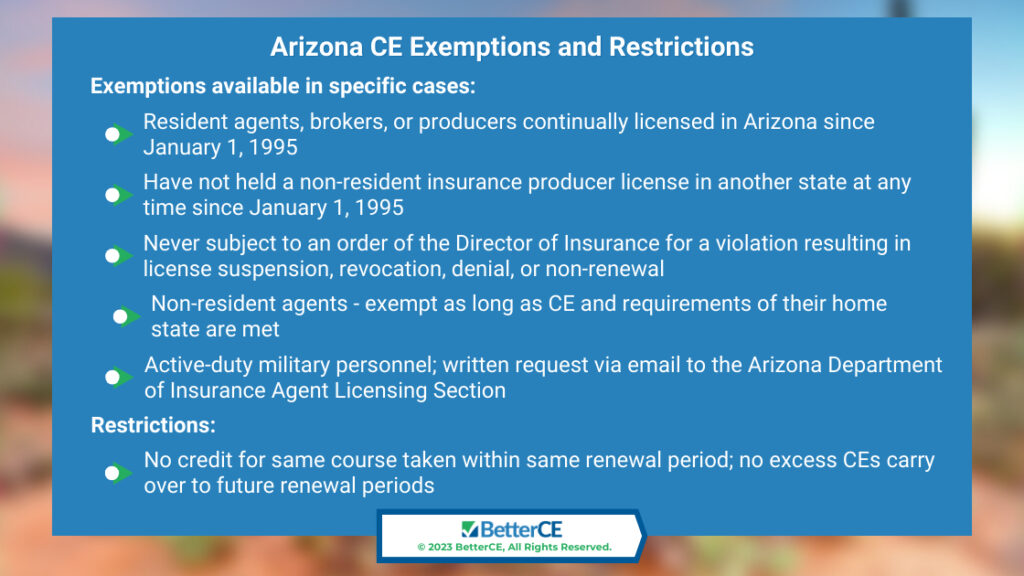
When analyzing Arizona’s insurance laws, it’s essential to understand how they stack up against those of its neighboring states. This comparative exploration sheds light on regulatory nuances, offering insights into the strengths and weaknesses of Arizona’s system.
Arizona shares borders with states like California, Nevada, and New Mexico, each with its unique approach to insurance regulation. By examining these differences, we can uncover what sets Arizona apart and identify potential areas for improvement.
Regulatory Approaches in Neighboring States
Arizona’s insurance regulations are distinct in several ways. For instance, while California has stringent consumer protection laws with mandatory coverage requirements, Arizona offers a more flexible framework, giving insurers slightly more leeway. This flexibility can foster innovation but may also pose challenges for policyholders seeking comprehensive protection.
In Nevada, the emphasis is placed on financial solvency and market conduct, mirroring Arizona’s focus on ensuring companies can meet their obligations. However, Nevada’s regulations are often considered more rigid in terms of reporting and compliance.
Key Differences and Similarities
When comparing Arizona to New Mexico, similarities emerge in terms of regulatory oversight, particularly in areas like premium rate determinations and policy approval processes. However, one key difference lies in the enforcement of these regulations. Arizona’s Department of Insurance is known for its proactive stance in consumer education, which is less pronounced in New Mexico.
Here’s a detailed comparative table to illustrate these differences:
| Aspect | Arizona | California | Nevada | New Mexico |
|---|---|---|---|---|
| Consumer Protection | Moderate | High | Moderate | Low |
| Regulatory Flexibility | High | Low | Moderate | High |
| Financial Solvency Focus | Strong | Moderate | Strong | Moderate |
| Market Conduct Regulation | Moderate | High | High | Low |
Advantages and Disadvantages of Arizona’s Insurance System
One of the biggest advantages of Arizona’s system is its adaptability, allowing insurers to offer diverse and competitively priced products. However, this can sometimes come at the cost of comprehensive consumer protection, where policyholders might find themselves inadequately covered.
Another advantage is Arizona’s proactive consumer education initiatives, empowering individuals to make informed decisions. Yet, the potential downside remains the inconsistency in enforcement, which can lead to varied consumer experiences.
“Arizona’s balance between regulatory oversight and flexibility can be both a boon and a bane for its policyholders.”
Closure
As we reach the end of our exploration into Arizona insurance law, one thing is clear: knowledge is power. By understanding the nuances of these regulations, policyholders can navigate their insurance landscapes with confidence and clarity. Whether you’re a resident seeking protection or a business owner ensuring compliance, these insights are your toolkit for success. Remember, the world of insurance is not just about policies and premiums; it’s about peace of mind and the promise of support when you need it most. So, keep this guide close and step forward with assurance in Arizona’s dynamic insurance realm.

