
How Much is Auto Insurance in Massachusetts: Your Ultimate Guide to Savings and Coverage

Picture this: You’re cruising down the beautiful byways of Massachusetts, the crisp air filling your lungs, and the vibrant autumn leaves painting a picturesque backdrop. But wait, have you ever wondered how much peace of mind costs when you hit those roads? Welcome to your all-encompassing guide on auto insurance in Massachusetts, where we unravel the complexities and serve you a roadmap to both savings and security.
Join us as we dive deep into the essentials, from understanding the minimum coverage requirements set by the state to discovering the best ways to optimize your insurance premiums. By leveraging creative strategies and expert insights, this guide aims to empower you in making informed decisions that protect both your vehicle and your wallet. Get ready to navigate the world of auto insurance with flair and confidence!
Overview of Auto Insurance in Massachusetts
Driving through the winding roads of Massachusetts, whether it’s a sunny afternoon or a snowy winter day, requires more than just a well-maintained vehicle—it demands adequate auto insurance coverage. Understanding these requirements is crucial for every motorist.
The Massachusetts law mandates that all drivers carry a minimum amount of auto insurance to ensure financial responsibility in case of an accident. This legal requirement not only protects you but also provides a safety net for other road users.
Basic Insurance Requirements
Massachusetts sets specific requirements that every driver must adhere to, aiming to provide a protective buffer in the unfortunate event of an accident. The minimum coverage limits include:
- $20,000 per person for bodily injury
- $40,000 per accident for bodily injury
- $5,000 for property damage per accident
- $20,000/$40,000 for uninsured motorist coverage
These minimums ensure that drivers can at least cover the initial costs of an accident, but many opt for higher coverage to shield their assets better.
Types of Auto Insurance Policies
Massachusetts drivers have a variety of insurance options, allowing them to tailor their coverage to their specific needs. These include:
- Liability Insurance: Covers injuries and damages you cause to others.
- Collision Insurance: Pays for damages to your car resulting from a collision.
- Comprehensive Insurance: Protects against non-collision-related incidents like theft or natural disasters.
- Personal Injury Protection (PIP): Covers medical expenses for you and your passengers.
The choice of policy often depends on the vehicle’s value and the driver’s personal risk tolerance.
Factors Influencing Insurance Rates
Auto insurance rates in Massachusetts can vary widely based on a few critical factors. These include your driving record, age, and even your location within the state. Insurance companies look at:
| Factor | Impact on Rates |
|---|---|
| Driving Record | A clean record generally results in lower premiums. |
| Age & Gender | Younger, less experienced drivers typically face higher rates. |
| Vehicle Type | Expensive or high-powered vehicles often cost more to insure. |
| Location | Urban areas may experience higher rates due to increased risk. |
Understanding these elements can empower you to make informed decisions, potentially lowering your insurance costs.
Cost Factors Affecting Auto Insurance in Massachusetts
Navigating the realm of auto insurance in Massachusetts can feel like a winding road of variables and considerations. The cost of your premium doesn’t just depend on your choice of insurer but is influenced by numerous factors that weave into the fabric of pricing.
From personal aspects like age to the broader geographical location, each element plays its part in shaping your insurance costs. Let’s unravel these intertwined factors to better understand how they impact your wallet.
Age and Driving Experience Influence Premiums
Age and driving experience are perhaps the most critical factors in determining auto insurance rates. Younger drivers, particularly those under 25, typically face higher premiums due to a perceived higher risk of accidents. Insurers consider the lack of experience and the likelihood of riskier driving behaviors.
On the flip side, drivers who are older and have more years behind the wheel often enjoy lower rates. Their seasoned experience suggests a more cautious approach to driving. Insurance companies reward this with more competitive pricing, acknowledging the reduced risk profile.
Impact of Vehicle Type and Usage on Costs
What you drive and how you use it can significantly tilt the scales of your insurance costs. Vehicles with high safety ratings, lower repair costs, and anti-theft features typically cost less to insure. Conversely, high-performance cars or those with costly parts may attract heftier premiums.
The role of vehicle usage is equally crucial. Personal use vehicles generally incur lower premiums compared to those used for business, reflecting the increased mileage and risk exposure associated with commercial use. Insurers take a keen interest in mileage and usage patterns to dictate pricing.
Geographical Location’s Role in Rate Determination
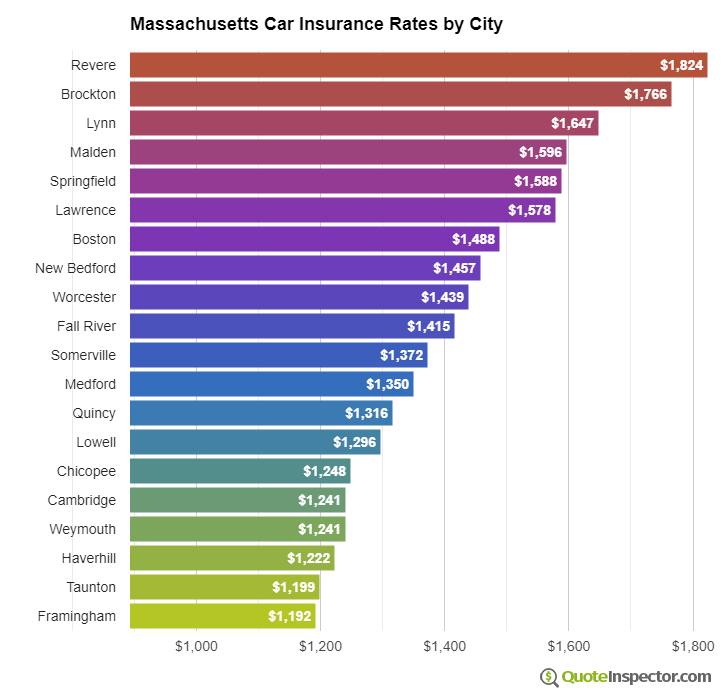
Where you live in Massachusetts can have a profound impact on your auto insurance rates. Urban areas like Boston may see higher premiums due to increased traffic, higher crime rates, and a greater likelihood of accidents or theft.
On the contrary, rural areas or smaller towns might offer a reprieve with lower insurance costs due to less congestion and reduced risk factors. Insurers analyze zip codes meticulously, reflecting their understanding of the local environment in your premium.
Comparison of Driving Record and Credit Score Effects
Your driving record is a direct reflection of your risk on the road. A history of accidents, traffic violations, or DUIs can lead to significantly higher insurance premiums. Drivers with a clean record are seen as low-risk and are often rewarded with discounts.
| Factor | Impact on Premium |
|---|---|
| Clean Driving Record | Lower Premiums |
| Poor Driving Record | Higher Premiums |
Similarly, your credit score can indirectly affect your insurance rates. Insurers use credit-based insurance scores to predict the likelihood of filing a claim. A strong credit score can lead to lower rates, while poor credit might increase your costs.
“A stellar driving record combined with a healthy credit score can significantly cushion your premiums.”
Average Auto Insurance Costs in Massachusetts
Unraveling the mystery behind auto insurance costs in Massachusetts reveals a spectrum of prices influenced by coverage levels and geographic location. Let’s dive into the numbers and see where Massachusetts stands on the national stage.
It’s fascinating to see how average costs vary dramatically based on whether you’re looking for basic or comprehensive coverage. And when you throw in the urban versus rural factor, the picture gets even more intriguing.
Cost Breakdown by Coverage Level
Massachusetts offers a range of auto insurance options, each with its own price tag. Whether you’re looking for basic liability or full coverage, understanding these differences is crucial.
| Coverage Level | Average Annual Cost |
|---|---|
| Minimum Liability | $600 |
| Standard Full Coverage | $1,300 |
| Comprehensive Coverage | $1,800 |
What’s truly compelling is how Massachusetts fares against the national averages. Typically, the state’s insurance costs hover slightly above the national mean—a trend driven by its densely populated urban centers.
Massachusetts vs. National Averages
Comparing costs on a broader scale, Massachusetts often finds itself in the upper tier of insurance expenses when placed against the U.S. average. This makes it essential for residents to shop smartly to get the best deals.
| Region | Average Cost |
|---|---|
| Massachusetts | $1,300 |
| National Average | $1,150 |
It’s clear that while Massachusetts is above average, savvy consumers can still find competitive rates with a little effort.
Demographic and Provider Variations
The cost of insurance isn’t one-size-fits-all. Factors such as age, gender, and even the provider you choose can significantly alter your premiums. Here’s a snapshot of how different groups and providers stack up.
| Demographic | Average Cost | Provider |
|---|---|---|
| Young Drivers (Under 25) | $2,500 | GEICO |
| Seniors (65+) | $1,200 | Allstate |
| Family Coverage | $1,700 | Progressive |
Urban vs. Rural Cost Differences
Where you live in Massachusetts can greatly impact your insurance costs. Urban areas, with their increased traffic and risk factors, tend to see higher premiums compared to their rural counterparts.
| Area Type | Average Annual Cost |
|---|---|
| Urban (Boston) | $1,500 |
| Rural (Berkshire County) | $1,000 |
By understanding these nuances, residents can better navigate the insurance landscape, ensuring they choose coverage that not only fits their needs but their budget as well.
Discounts and Savings Opportunities
Driving in Massachusetts doesn’t have to mean high insurance costs. Savvy drivers can uncover a treasure trove of discounts and savings opportunities to reduce their premiums significantly. Let’s explore the various ways insurers reward responsible drivers and policyholders.
From safe driving initiatives to bundling options, insurers in Massachusetts offer multiple discounts that can lead to substantial savings. Understanding these options allows you to maximize your auto insurance benefits while keeping your budget in check.
Common Insurance Discounts in Massachusetts
Many insurers provide a range of discounts that can help reduce your premiums. These discounts recognize and reward safe behaviors and loyalty. Here’s a breakdown of common discounts you might find:
- Good Driver Discount: If you’ve maintained a clean driving record for several years, this discount could be your reward.
- Multi-Vehicle Discount: Insuring more than one vehicle on the same policy can often lead to savings.
- Good Student Discount: Students with a strong academic record might qualify, encouraging both educational excellence and safe driving habits.
- Low Mileage Discount: Driving fewer miles annually could earn you a reduced premium, as it represents a lower risk to insurers.
- Safety Features Discount: Cars equipped with advanced safety features like anti-lock brakes or alarms may qualify for savings.
Safe Driving Programs
Embrace the road with confidence, knowing that safe driving can directly impact your insurance costs. Many insurers offer programs that monitor your driving habits, rewarding caution and responsibility behind the wheel.
Telematics Programs: By installing a small device in your car or using a mobile app, you can track your driving behavior. Safe driving, such as smooth acceleration and braking, may lead to premium reductions.
Participating in these programs often comes with immediate feedback, helping you become more aware of your driving habits and ultimately saving you money.
Bundling Options and Multi-Policy Discounts
Enhance the value of your insurance by bundling different types of policies. This strategy not only simplifies your policy management but also offers attractive discounts.
Combining auto insurance with homeowners, renters, or even life insurance from the same provider can result in significant savings.
| Policy Type | Potential Discount |
|---|---|
| Auto + Homeowners | Up to 25% |
| Auto + Renters | Up to 10-15% |
Eligibility Criteria for Discounts
Understanding eligibility criteria is crucial to accessing and maximizing discounts. Here are some of the common requirements:
- Maintain a clean driving record with no accidents or violations.
- Ensure consistent academic performance for student discounts.
- Participate in and complete any required safe driving courses.
- Install approved safety devices in your vehicle for specific discounts.
- Choose to bundle policies with the same insurer.
By aligning your insurance strategy with these savings opportunities, you can enjoy comprehensive coverage at a fraction of the cost.
Choosing the Right Auto Insurance Provider
In the bustling world of auto insurance, picking the right provider can feel like navigating through a maze. But fear not! With the right criteria in mind, your journey in Massachusetts can be much smoother.
Choosing the right auto insurance provider isn’t just about finding the lowest price; it’s about finding a company that offers the best value through excellent service, comprehensive coverage options, and a track record of reliability. As you compare your options, consider these critical factors to ensure you make a well-informed decision.
Criteria for Evaluating Auto Insurance Companies
When evaluating auto insurance companies, it’s crucial to look beyond the price tag. Consider the company’s financial strength, customer satisfaction ratings, and the variety of coverage options they offer. A provider’s financial health can indicate their ability to pay claims, while customer satisfaction ratings give insight into the quality of their service.
- Financial Stability: Look for ratings from agencies like A.M. Best or Standard & Poor’s.
- Customer Reviews: Check online reviews and consumer reports for insight into others’ experiences.
- Coverage Options: Ensure the provider offers flexible policies that meet your specific needs.
Importance of Customer Service and Claims Handling
Imagine you’re in an unfortunate accident and need to file a claim. How would the process go with your chosen provider? Efficient claims handling and excellent customer service are pivotal in these stressful times. The responsiveness and support of your insurance company can significantly impact your experience, turning a potential nightmare into a manageable situation.
Assessing an insurer’s customer service can involve reviewing their communication channels, the availability of 24/7 support, and the simplicity of their claims process. A customer-friendly company should offer multiple ways to file a claim and provide prompt service to expedite resolutions.
Checklist for Comparing Insurance Quotes
When comparing insurance quotes, it’s essential to have a checklist of questions ready to ensure you’re gathering all the necessary information. Here are some questions to guide you:
- What is the deductible amount, and how does it affect my premium?
- Are there any policy exclusions?
- What discounts are available, and how can I qualify for them?
- How does the claims process work, and what is the average turnaround time?
- What is the cancellation policy, and are there any fees?
Consumer Experiences: Testimonials and Case Studies
Hearing from real customers can offer invaluable insights into what you might expect from an insurance provider. Below are snippets of consumer experiences that highlight the importance of choosing the right company:
“Switching to a provider with excellent customer service made all the difference. When my car was totaled, their swift claims handling and empathetic service provided peace of mind during a stressful time.” — Sarah, Boston
“I saved hundreds by switching to a company that offered more discounts. They even helped me bundle my home and auto insurance for greater savings.” — Mike, Worcester
These testimonials underscore the importance of evaluating providers not just on pricing, but on the overall value and experience they deliver.
Legal and Regulatory Aspects of Auto Insurance in Massachusetts
Navigating the world of auto insurance in Massachusetts requires not just an understanding of costs and coverage, but also a keen awareness of the legal landscape. The state’s regulations are designed to protect drivers and ensure that everyone on the road is covered by at least the minimum required insurance.
Understanding these laws is crucial for compliance and for making informed decisions when selecting an insurance policy.
Massachusetts Auto Insurance Laws
In Massachusetts, auto insurance is not just a choice; it’s a legal obligation. The state mandates that all vehicles must carry a minimum level of coverage to legally operate on the roads. This includes:
- Personal Injury Protection (PIP): Covers medical expenses regardless of who caused the accident.
- Bodily Injury to Others: At least $20,000 per person and $40,000 per accident.
- Property Damage: A minimum of $5,000 in coverage.
- Uninsured Motorist Coverage: At least $20,000 per person and $40,000 per accident.
These components ensure that drivers are prepared not just for accidents they may cause, but also for those involving uninsured motorists.
Penalties for Non-Compliance
The penalties for failing to comply with Massachusetts auto insurance laws are stringent and can have severe consequences. Driving without insurance can lead to:
- Fines ranging from $500 to $5,000
- Suspension of vehicle registration and driver’s license
- Possible imprisonment for up to one year
“Compliance with auto insurance laws is not merely a legal requirement but a civic duty.”
No-Fault Insurance System in Massachusetts
Massachusetts operates under a no-fault insurance system, meaning each driver’s insurance coverage pays for their own injuries and damages, regardless of who caused the accident. This system is designed to speed up claims processing and reduce litigation. However, claims for pain and suffering are only allowed if medical expenses exceed $2,000 or if the injuries involve serious disfigurement or broken bones.
Recent Legal Changes
In recent years, there have been updates to Massachusetts auto insurance regulations that could impact policy rates and offerings. New laws have introduced measures to combat fraud, which can help lower costs for honest drivers. Additionally, the increasing adoption of telematics and usage-based insurance models reflects the state’s push towards more dynamic and personalized insurance policies.
Staying informed about these changes is essential for ensuring that your policy remains compliant and competitive.
Final Thoughts
Armed with this knowledge, you’re now ready to conquer the highways and byways of Massachusetts with assurance and savvy. As you embark on your insurance journey, remember that understanding and comparing policies is your greatest tool in securing the best possible coverage at the most competitive price. Stay informed, ask the right questions, and don’t hesitate to leverage discounts and programs tailored for you. Here’s to driving forward with confidence and peace of mind. Safe travels!
